11 quieter Algarve beaches worth the detour
None of these beaches is truly secret. Every one of them has a name, a car park or a footpath. What they share is that they are harder to reach, further from the big resorts, or simply overlooked, and in high summer that is often enough to find a patch of sand with space around it.
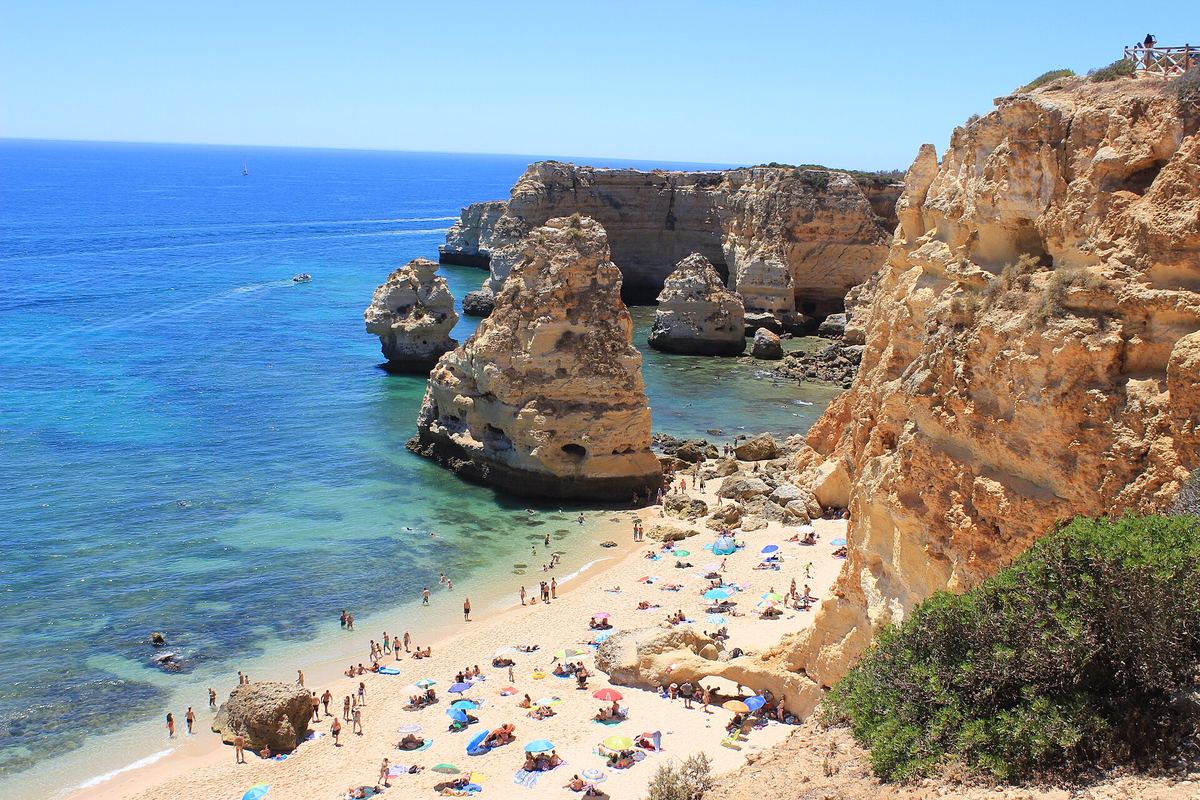
The Algarve coast runs for roughly 150 kilometres along the south and then turns north up the Atlantic side. The famous beaches sit in the middle stretch between Lagos and Albufeira, where the cliffs are honey-coloured and the coves are small. Go a little further west, a little further east, or down a staircase most people skip, and the crowd thins out.
A practical note first: beaches with stairs or steep paths are not ideal with small children, prams or heavy cool boxes. Many of the quieter coves also have no lifeguard outside July and August. Check the flag at the entrance where there is one, and ask locally about currents on the west coast.
West coast: big sand, big waves
Praia de Odeceixe
The northernmost beach of the Algarve sits where the Seixe river meets the sea, right on the border with the Alentejo. At low tide you can wade in the warm, calm river water while the surf breaks a few hundred metres away. The village of Odeceixe is a pleasant base with a few cafés.
Praia do Castelejo
South of Vila do Bispo, a road winds down through scrub to a dark-rocked bay facing west. The sand is wide, the cliffs are slate-grey rather than golden, and the sunsets are the reason most people come. Swimming is for calm days only.
Praia do Barranco
Reached by a rough dirt track and then a short walk down a valley, Barranco is one of the least developed beaches in the region. There is nothing here: no bar, no sunbeds. Bring water and take all rubbish back up.
Between Sagres and Lagos
Praia da Ingrina
A small, sheltered cove east of Sagres with a little restaurant and rock pools at either end. It faces south, so it is often calm when the west coast is rough. Good for snorkelling on still mornings.
Praia do Camilo
Just south of Lagos, a long wooden staircase of around two hundred steps leads down to a narrow cove between ochre rocks. It does fill up in August, but early in the morning or in June and September it is one of the prettiest spots on the coast. A short walk from here takes you to Ponta da Piedade and its grottos.
The middle coast
Praia João de Arens
West of Praia da Rocha, a steep path drops through the cliffs to this hidden cove. The way down is the reason it stays quiet: wear proper shoes and avoid it if you are not steady on your feet.
Praia do Carvalho
Between Carvoeiro and Benagil, this small beach is reached through a tunnel cut into the rock. Above it runs part of the coastal trail described in our hiking guide.
Praia da Coelha
West of Albufeira, Coelha is a small, family-friendly bay with a beach bar and soft sand. It is not empty in summer, but compared with the town beaches of Albufeira it feels like a different region.
East: islands and dunes
Praia da Ilha Deserta (Barreta)
A boat from Faro takes you to the Ilha da Barreta, a thin island of sand and dunes on the edge of the Ria Formosa lagoon. Its southern tip, Cabo de Santa Maria, is the southernmost point of mainland Portugal. There is one restaurant and a long boardwalk; the rest is beach.
Praia do Barril
Cross the footbridge at Pedras d'El Rei near Tavira and walk or take the small seasonal train across the lagoon. At the end you find the old tuna fishing station and the field of rusting anchors known as the Cemitério das Âncoras. The beach itself stretches for kilometres.
Praia Verde
Near Castro Marim, close to the Spanish border, a boardwalk crosses pine-covered dunes to a long, gently shelving beach. The water on the eastern Algarve is usually a little warmer and calmer than in the west, which makes it a good choice for families.
When to go
June and September are the best months for quieter beaches: the sea is warm enough, the days are long, and the school holidays have either not started or are over. In July and August, arrive before ten in the morning or after five in the afternoon. For more on the towns near these beaches, see our guide to charming coastal towns.
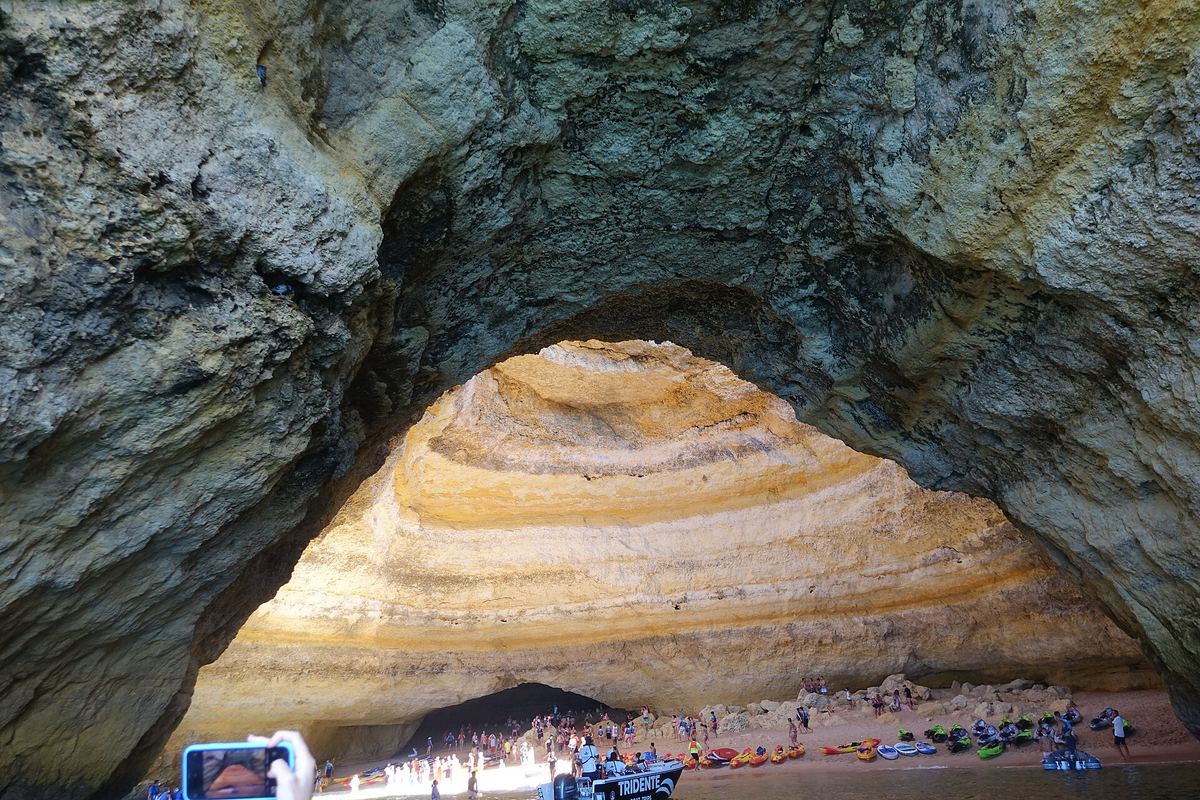 Six Algarve sea grottos and how to see them
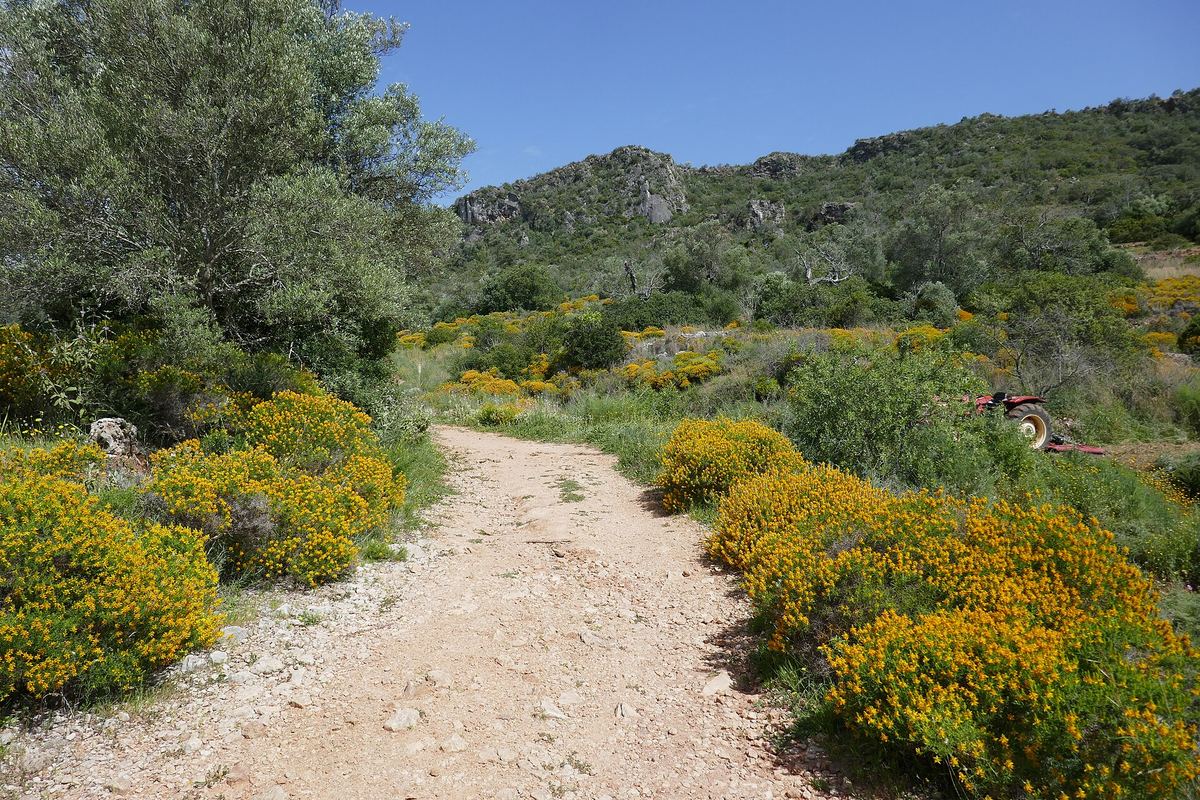 Hiking in the Algarve's natural parks
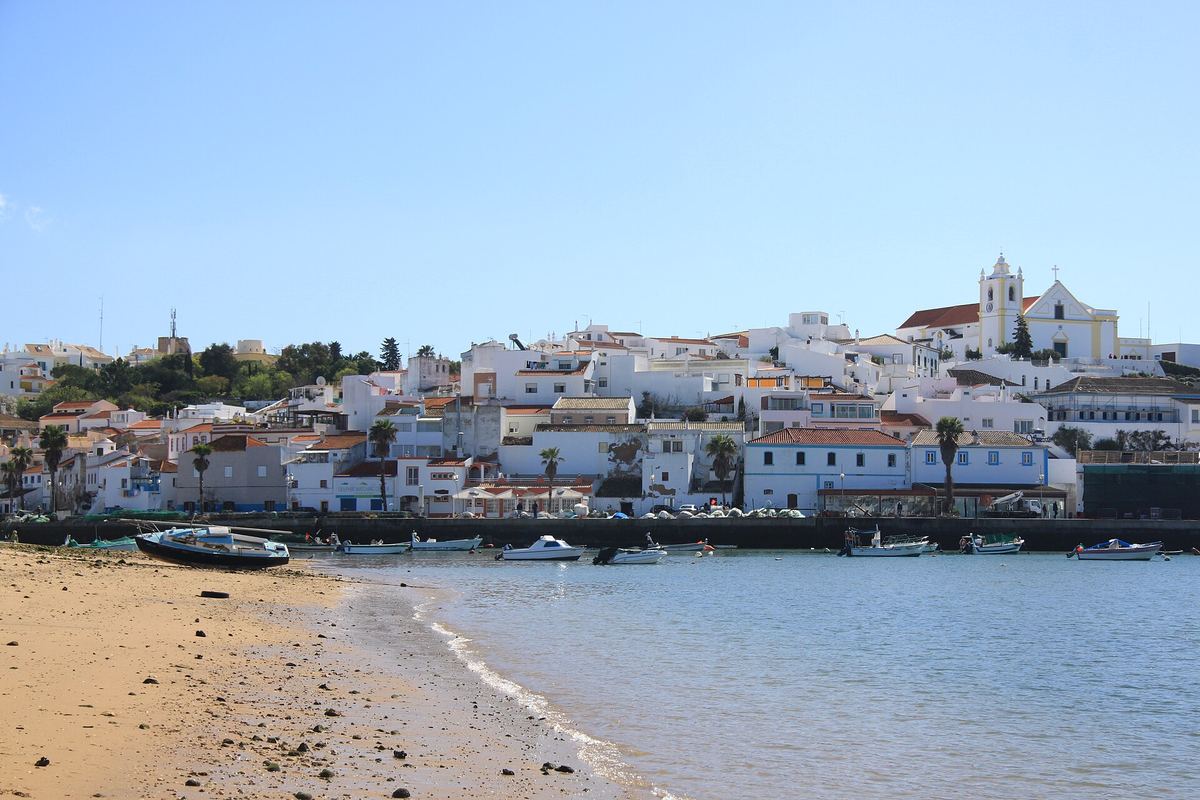 11 traditional fishing villages in the Algarve
