Surfing in the Algarve: where and when
The Algarve has two coasts facing two different ways, and for surfers that is a gift. When one side is too big or blown out, the other side is often clean. This guide explains which beaches work in which conditions, and where beginners and experienced surfers will be happiest.
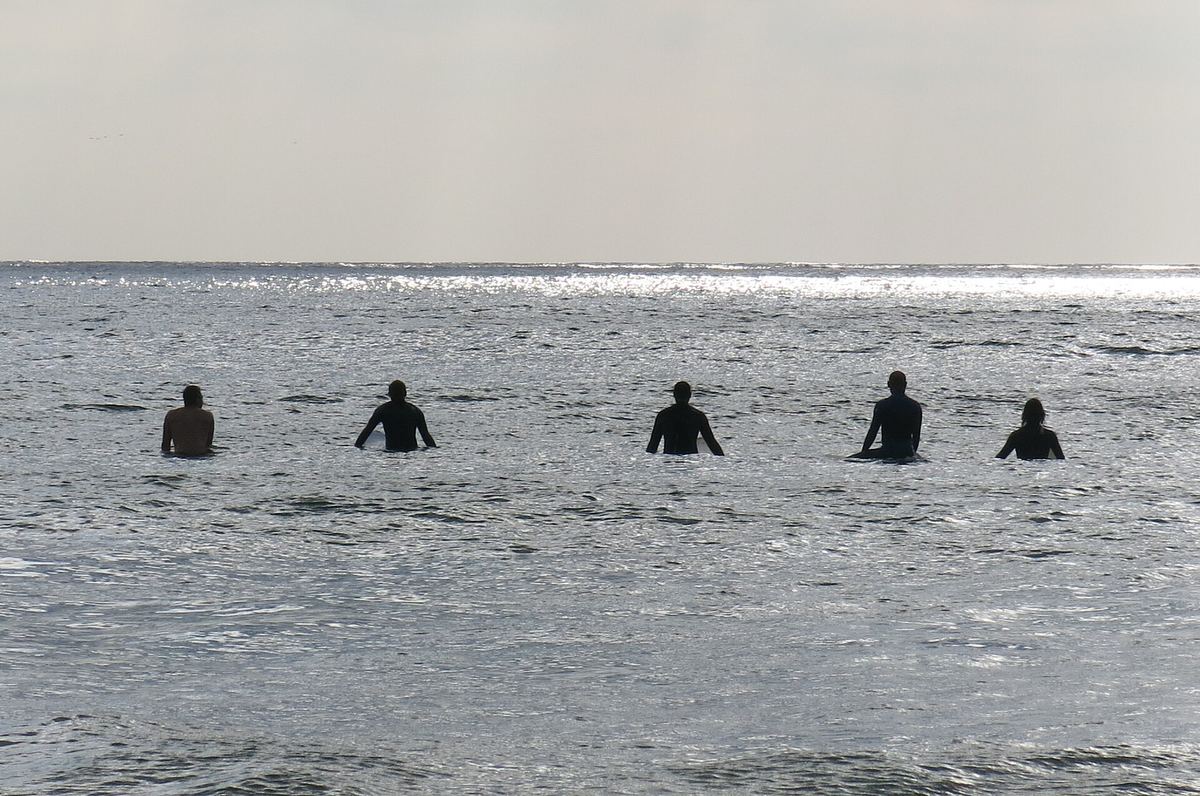
Why the Algarve works for surfing
The west coast faces the open Atlantic and picks up almost every swell. The south coast is sheltered and only gets waves when big storms send swell from the west or southwest, usually in autumn and winter. Sagres sits at the corner between the two, which means that within twenty minutes' drive you can nearly always find a beach where the wind is offshore.
Water temperature is cooler than many people expect. It is typically around 15 to 17 °C in winter and around 19 to 21 °C in late summer, and often a few degrees colder on the west coast because of upwelling. A 3/2 mm wetsuit is fine most of the year; in winter many surfers prefer a 4/3.
West coast breaks
Arrifana
Below the village of the same name near Aljezur, Arrifana is a curved bay sheltered by high cliffs, with a small fishing harbour at the northern end. The bay protects it from north wind, which makes it one of the most reliable spots on the coast. Beginners use the middle of the beach; the right-hander near the rocks is for experienced surfers.
Monte Clérigo
A wide beach a few kilometres north of Arrifana, with a small cluster of houses and restaurants. Consistent beach-break peaks, best at mid tide.
Amado (Carrapateira)
Praia do Amado is the classic surf school beach of the Algarve. It is wide, open and has several peaks, so there is space for everyone. Surf camps run lessons here almost all year round.
Bordeira
Just north of Amado, Bordeira is a huge beach backed by dunes, with a river running out at one end. It is less crowded than Amado and good for intermediate surfers on smaller days.
Around Sagres
Tonel and Beliche
Tonel faces west and picks up plenty of swell. Beliche, around the corner towards Cabo de São Vicente, sits below cliffs and is sheltered from north wind. Locals check both and choose depending on the wind. Both have steep access.
Mareta
The town beach of Sagres faces south. It only works on big swells, usually in winter, but then produces clean waves while the west coast is chaos.
Zavial
East of Sagres, Zavial is a south-facing beach known for a powerful right-hander that comes alive on bigger winter swells. A small restaurant overlooks the break.
The south coast
Meia Praia in Lagos and some beaches around Portimão get small, friendly waves on the right swell, and they are pleasant for longboarding. On most summer days, though, the south coast is flat, which is good news for families and for snorkelling in the coves.
When to go
- Autumn (September to November): the best all-round season, with good swells, lighter winds and warm water.
- Winter: the most powerful waves and the emptiest line-ups, but some days are simply too big.
- Spring: variable, often windy.
- Summer: small waves on the west coast, ideal for learning, but the beaches are busier and the north wind picks up in the afternoon.
Most surf beaches lie inside the Costa Vicentina natural park. Our hiking guide explains how to walk the same coast on flat days. Live forecasts are best checked with established wave forecast services.
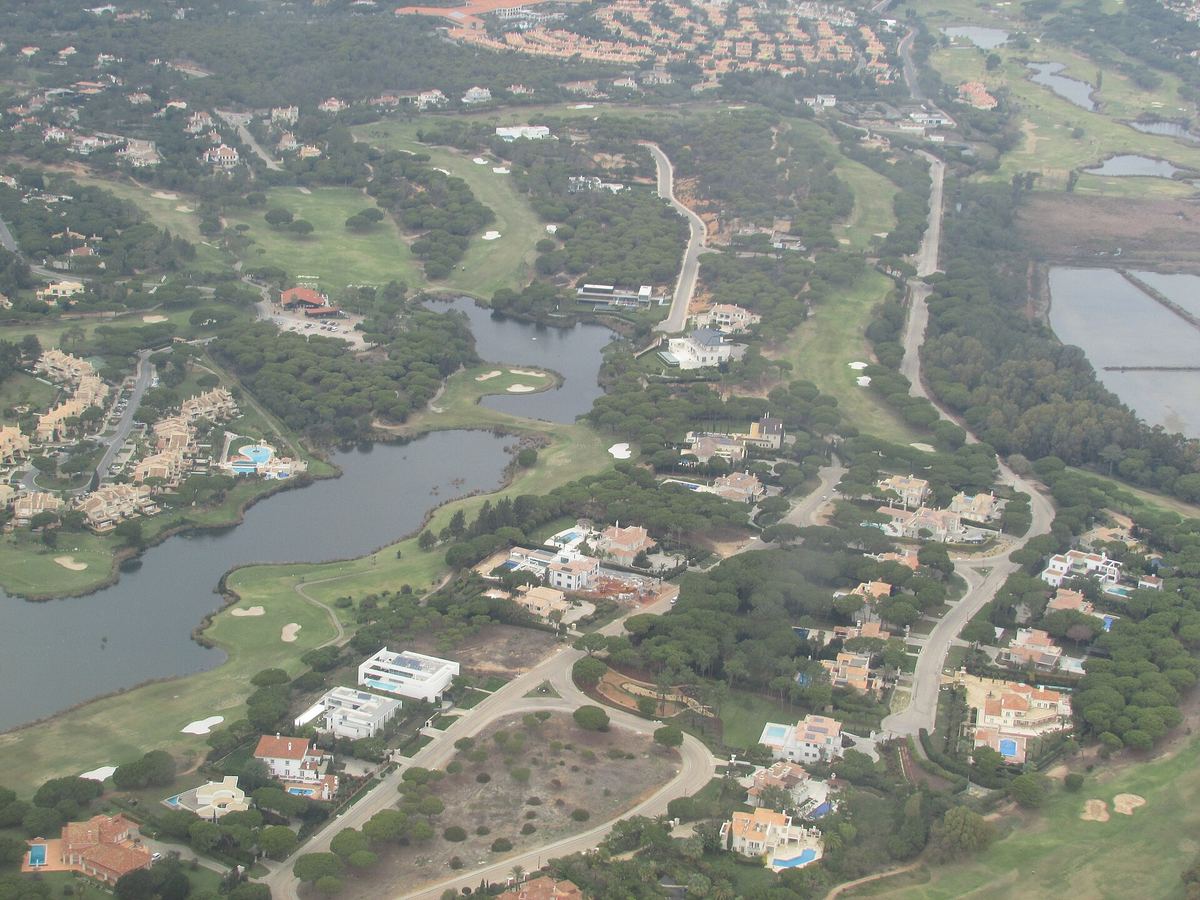 Golf in the Algarve on a sensible budget
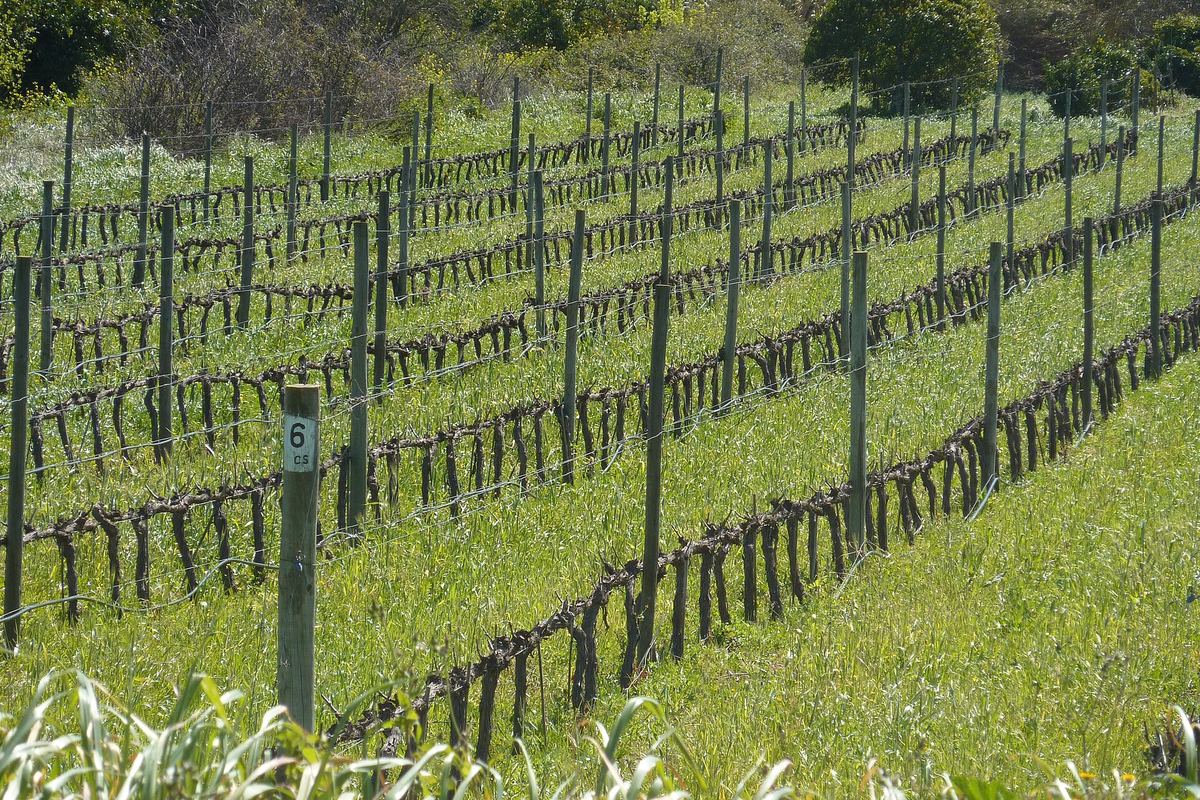 Algarve wine and its four historic areas
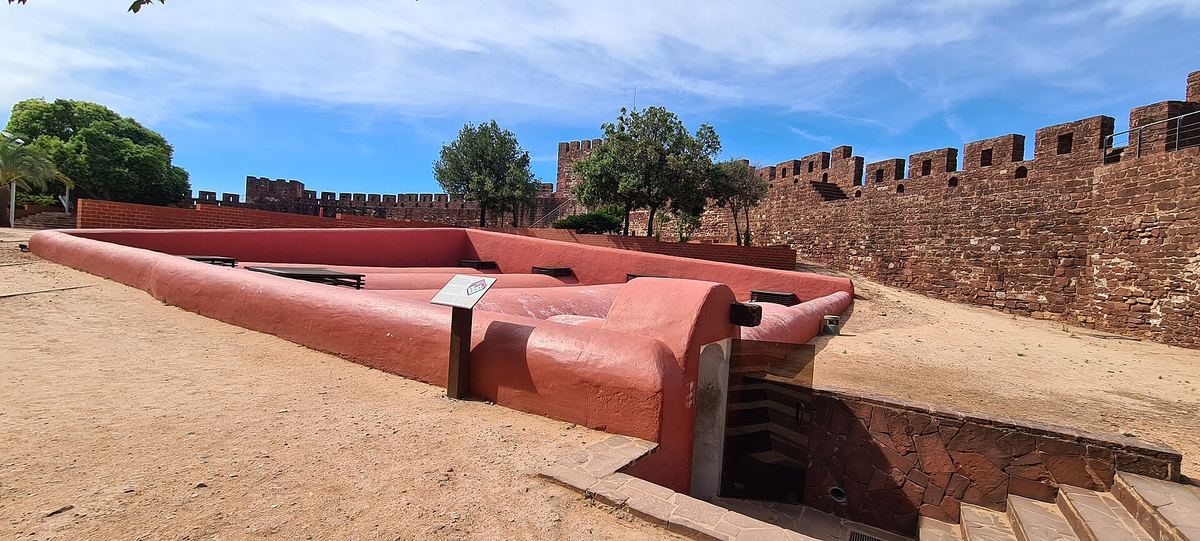 Four historical sites in the Algarve worth planning around
