Algarve wine and its four historic areas
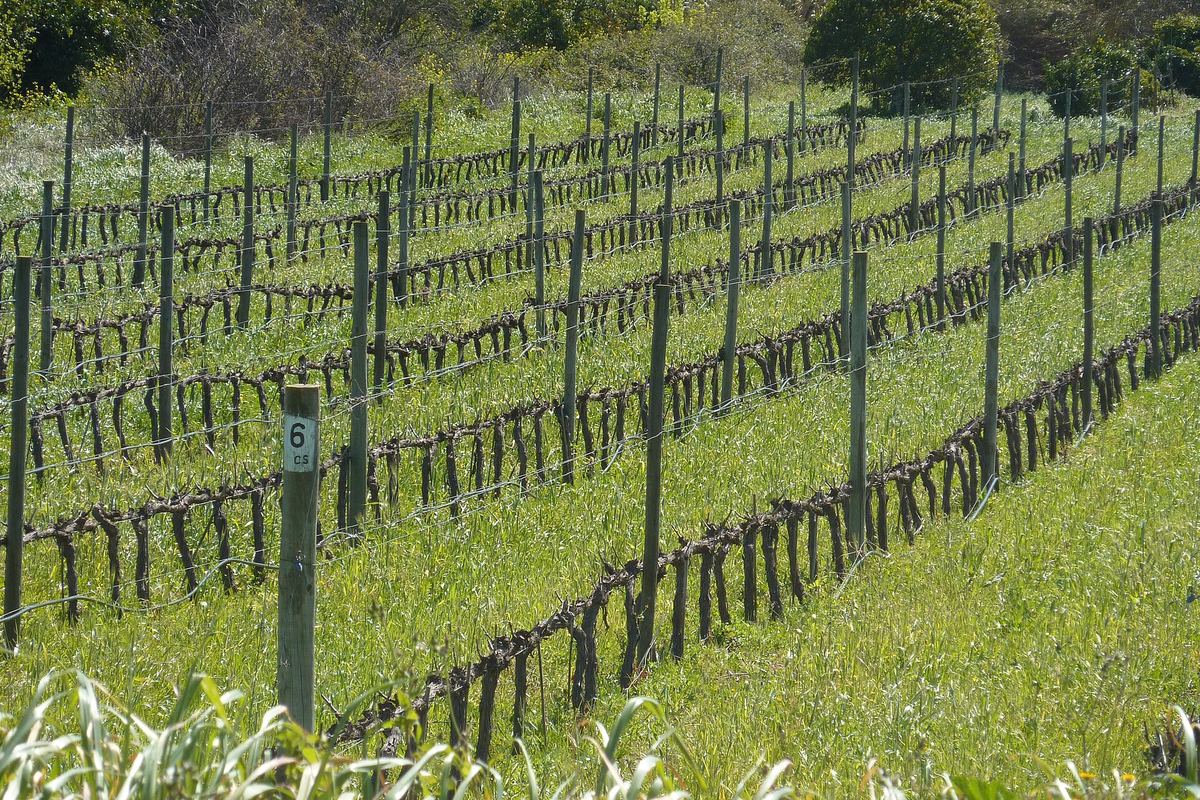
The Algarve is not the first place most people associate with Portuguese wine. Yet vines have grown here since Roman times, and the region has four officially recognised wine areas. In the last twenty years, a new generation of small producers has made Algarve wine worth taking seriously.
A long history, a quiet reputation
Wine was made in the Algarve long before Portugal existed. Roman villas such as Milreu, described in our guide to historical sites, had their own presses and storage. During the Moorish period production continued on a smaller scale, and after the Christian reconquest the region exported wine by sea.
In the twentieth century, the Algarve made mostly simple, strong wines through local cooperatives, and its reputation suffered. Tourism then took over much of the best land. The turnaround came from the 1990s onwards, when small estates began to plant carefully and make wine for quality rather than quantity.
The four DOC areas
Portugal protects its traditional wine regions with the DOC label (Denominação de Origem Controlada). The Algarve has four.
Lagoa
The best known of the four, centred on the town of Lagoa between Portimão and Albufeira. The historic Adega Cooperativa de Lagoa was for decades the main wine producer of the region. Soils here are a mix of sandy and limestone ground.
Lagos
The western DOC, around Lagos and inland towards Barão de São João. The Atlantic influence makes nights cooler, which helps preserve freshness in the grapes.
Portimão
A small area around Portimão and the Arade valley. Today few producers use the Portimão DOC label, but the vineyards along the river are part of the region's history.
Tavira
The eastern DOC, covering hills behind Tavira. It is the warmest and driest of the four areas.
Grapes to look for
- Negra Mole: the Algarve's own red grape, giving pale, light reds with red fruit and spice. Some producers also make rosé and even sparkling wine from it.
- Castelão: a widespread Portuguese red grape, giving fruity, easy wines.
- Crato Branco: a traditional white variety of the south, also known as Síria.
- Arinto: a crisp white grape, popular for its acidity in a hot climate.
- International grapes such as Syrah and Viognier, which many newer estates have planted.
Visiting wineries
Several estates around Silves, Lagoa and Lagos offer tours and tastings, usually by appointment. The regional wine commission, the Comissão Vitivinícola do Algarve, promotes a wine route connecting producers that welcome visitors. A few tips:
- Book ahead, even in low season. Small estates are often run by a few people.
- Ask about tastings with food. Some estates serve local cheese, olives and charcuterie.
- Don't drive after tasting. Several tour companies run wine trips with transport.
- Try the regional spirit medronho, distilled from the fruit of the strawberry tree in the Monchique hills. It is strong.
Wine with food
Light Algarve reds and whites suit the local cuisine well: a chilled white with clams, a Negra Mole rosé with grilled sardines, a fuller red with pork and clam cataplana. Our guide to traditional seafood dishes has more ideas.
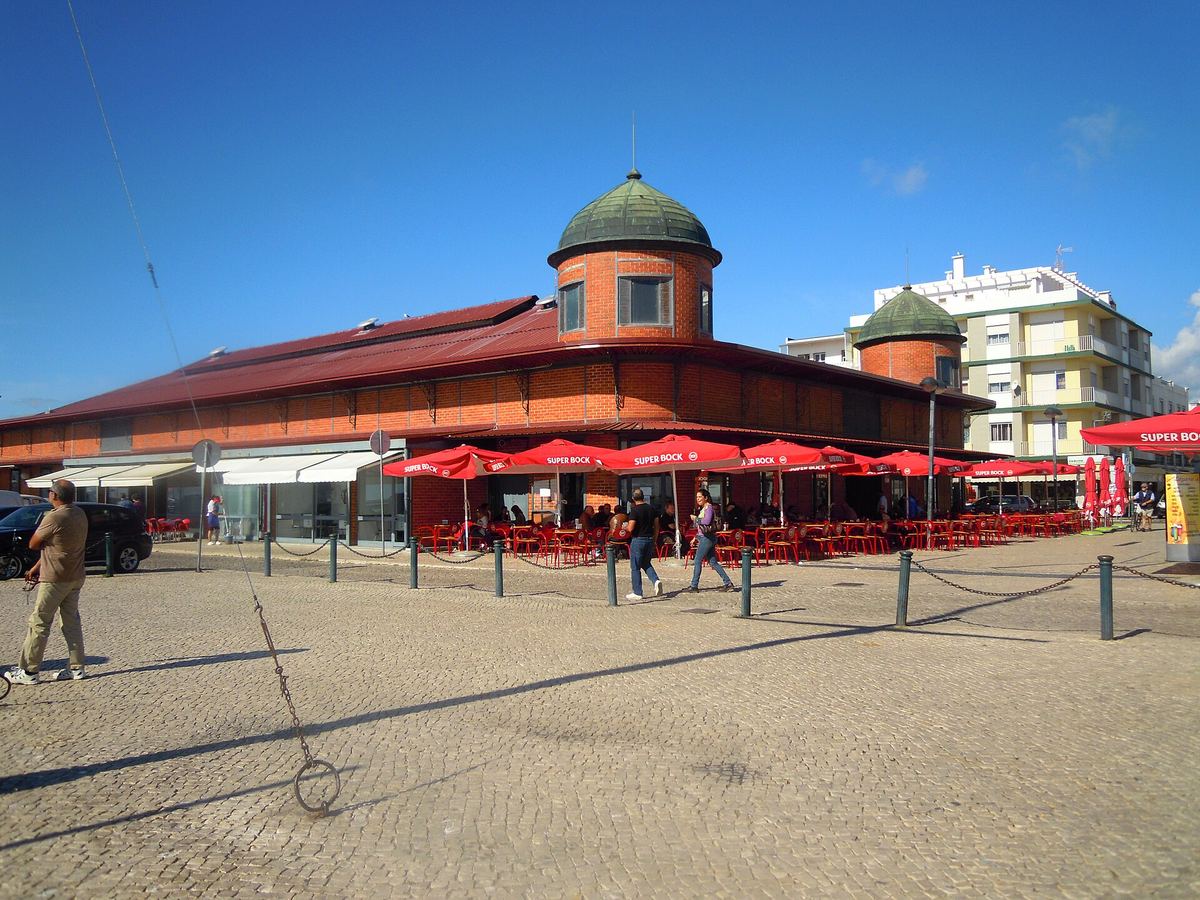 The best seafood festivals in the Algarve
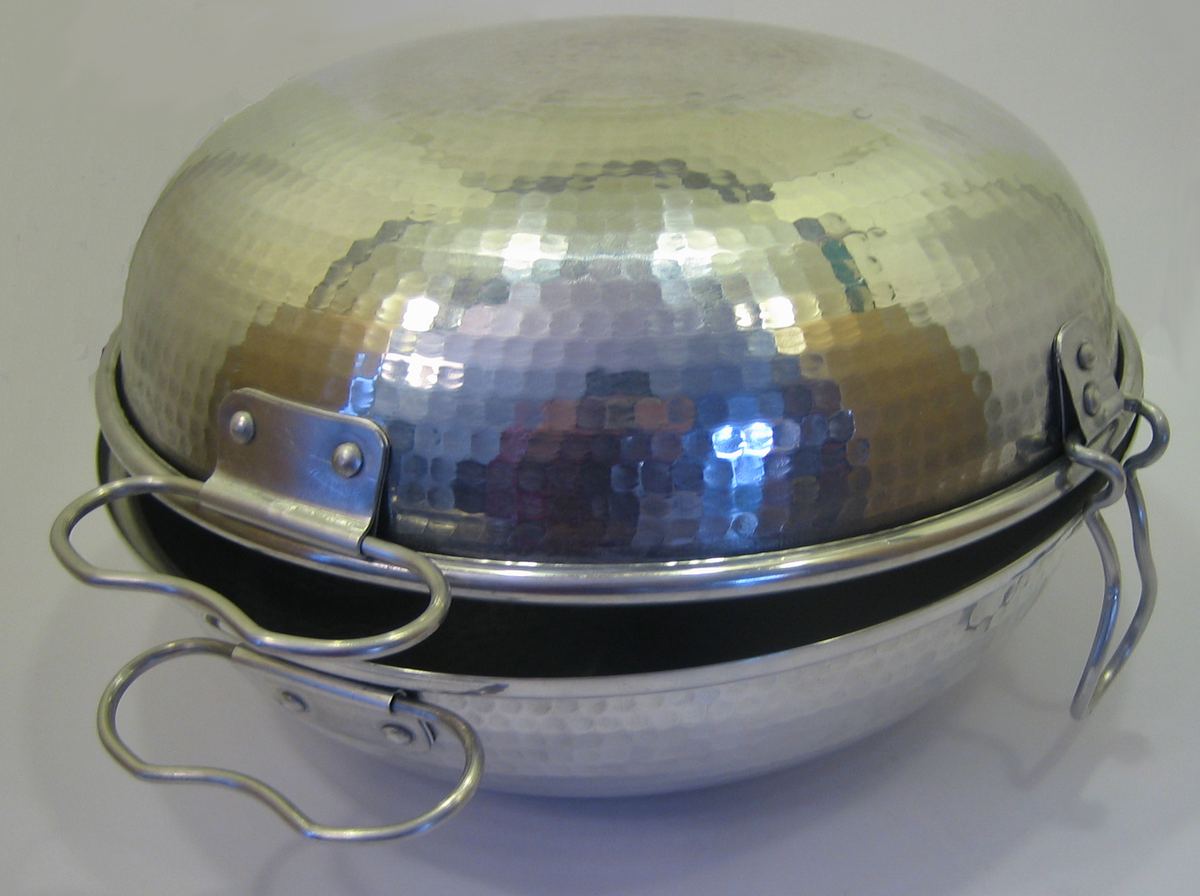 Traditional Algarve seafood dishes
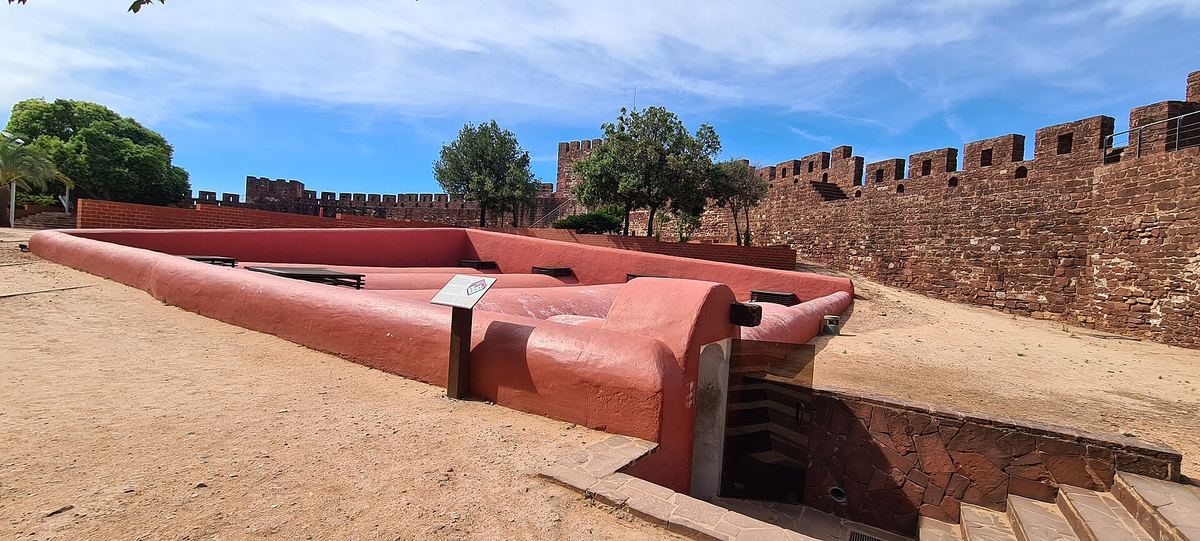 Four historical sites in the Algarve worth planning around
